|
|
|
|

|
| |
|
|
 FAITES VOTRE RECHERCHE
 |
|
|
|
| |
Saint-Martin-de-Boscherville autrefois
|
| La commune autrefois |
|---|
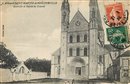 Saint-Martin-de-Boscherville - Ensemble et entrée du Couvent - Seine-Maritime ( 76) - Normandie Saint-Martin-de-Boscherville - Ensemble et entrée du Couvent - Seine-Maritime ( 76) - Normandie
L'abbaye bénédictine, fondée en
1114 est construite à flanc de coteau et a conservé intacte la qualité de son environnement paysager, près des bords de Seine. L'église abbatiale, du plus pur style roman, a été édifiée au XIIe siècle et la salle du chapitre au XIIIe. Le bâtiment monastique, du XVIIe abrite
aujourd’hui l’accueil des touristes,
la boutique et la salle d’expositions temporaires. Le jardin de 4 hectares a été reconstitué dans l’esprit du XVIIe siècle.
|
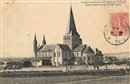 Saint-Martin-de-Boscherville - Église Saint-Georges - Seine-Maritime ( 76) - Normandie Saint-Martin-de-Boscherville - Église Saint-Georges - Seine-Maritime ( 76) - Normandie
L'abbaye Bénédictine fut construite au XIIe siècle sur un site où se succédèrent depuis le Ier siècle av. JC plusieurs édifices dédiés aux cultes païen puis chrétien.
L'abbatiale du plus pur style roman
normand frappe par I‘harmonie de ses
lignes et sa grande luminosité. La salle capitulaire, fin XIIe, présente
un remarquable ensemble de statues
colonnes et chapiteaux historiés ; le
bâtiment conventuel du a conservé ses
plafonds de pierres voûtes.
Le jardin à la française restauré d'après des documents d'archives du XVIIe siècle, offre un exemple unique dans la région de jardin monastique avec potager. verger, parterres et bosquets. On y découvre une étonnante et intéressante gnomonique (cadrans solaires).
|
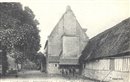 Saint-Martin-de-Boscherville - Maison des templiers - Le Genétay - Seine-Maritime ( 76) - Normandie Saint-Martin-de-Boscherville - Maison des templiers - Le Genétay - Seine-Maritime ( 76) - Normandie
Saint-Martin-de-Boscherville - Maison des templiers - Le Genétay
|
|
|
Date de dernière modification de cette page
06-03-2026 08:24:54
|
|
| |

The Benedictine Abbey was built during the 12th century on a site where many buildings dedicated to pagan and Christian cults formerly stood. With its Norman romanesque style, the abbey’s most striking aspects are the symmetry and luminosity of its architecture.
The chapter house dating from the end of the 12th century displays a remarkable collection of columnar statues and narrative capitals. The monastery building (17th century) still has its original ceiling of arched stonework. The Frenchstyle garden. now restored on the basis of documents from the abbey 's 17th century archives, is the region’s only example of a monastic garden with a potager, an orchard, ?ower~beds and groves. There is also a surprising and most interesting area devoted to sun dials.